Hearth and Hamlet Worker Planner
Practical early/mid allocation tables for demo practice before launch.
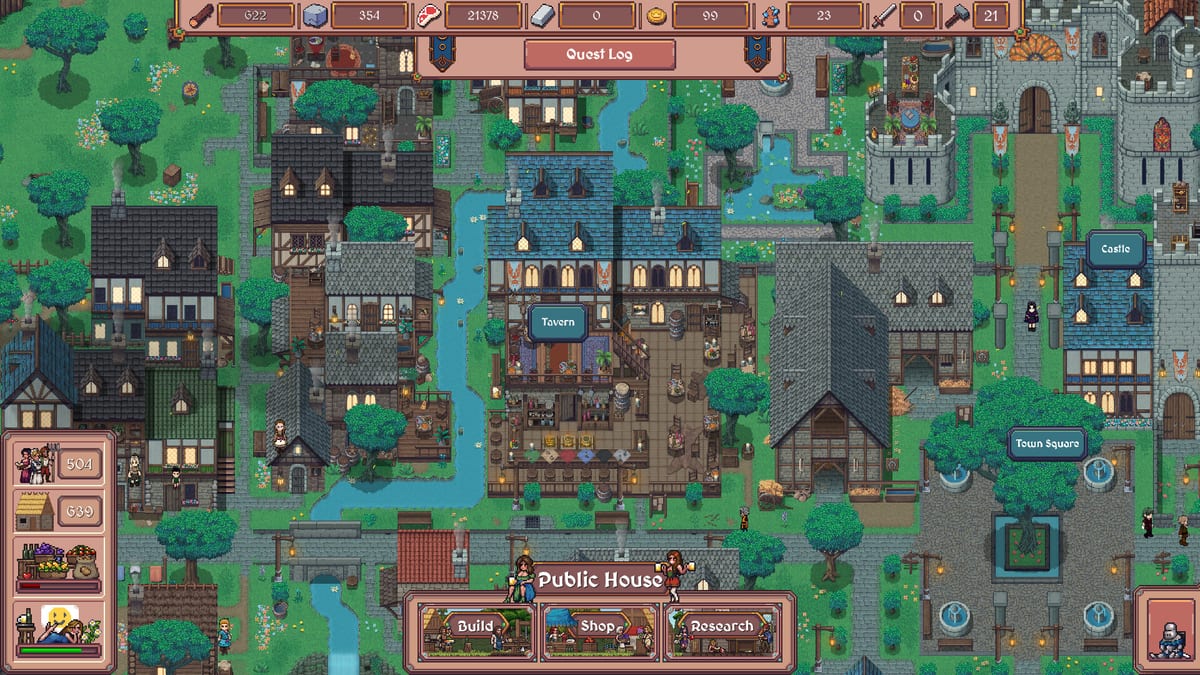
This worker planner is a practical allocation checklist for Hearth and Hamlet demo runs and pre-launch practice. Use it with the priority logic on the workers tier list and the definitions on resources. The full game is planned for August 19, 2026; these tables do not claim the complete profession list is already live.
Ratios are starting templates. Demo polish has already adjusted worker quantities for pacing, so if food still falls after you copy a table, trust the stockpile trend and swing labor.
How to use this planner
- Count total assignable workers (ignore empty housing).
- Pick the Early or Mid table below.
- Assign in the listed order—food before gold.
- Keep a swing crew (about 10–20%) uncommitted to luxury jobs.
- Recheck every time you place a major building or pass a policy.
- Promote guards when raids loom, even if it ruins a pretty percentage chart.
Early-game ratio table (camp foundation)
Use when you mostly have tents, fishing, woodcutter, and maybe a first civic building. Magic and heavy fortifications are out of scope.
| Job focus | Share of workers | Purpose |
|---|---|---|
| Food (fishing / related) | 35–45% | Keep population growth alive |
| Wood (woodcutter) | 30–40% | Fuel tents and early builds |
| Stone (quarry) | 0–15% | Only if quarry exists and masonry gates appear |
| Gold | 0–10% | Tiny crew after food/wood are green |
| Guards | 0–10% | Only if early threats appear |
| Swing / idle buffer | 10–15% | Emergency reassignment pool |
Early checklist
- Food stockpile trending up for several minutes
- Wood never hits zero during a build
- New tents get staffed the same session
- Manual hold-gather used only as a bridge (controls)
- No max tax policies yet
- Research spending targets food/wood gates first
Mid-game ratio table (town pressure)
Use when quarry, public/chief buildings, tavern, and guard house are in play, and raids or happiness matter.
| Job focus | Share of workers | Purpose |
|---|---|---|
| Food | 25–35% | Buffer for taxes and growth |
| Wood | 20–30% | Continuous construction |
| Stone | 15–25% | Civic, defense, fortifications |
| Gold | 10–15% | Upgrades and trade prep |
| Happiness support (tavern/civic) | 5–10% | Offset laws and crowding |
| Guards | 10–20% | Raid readiness |
| Swing crew | 10–15% | Respond to the emptiest bar |
| Magic / academy | 0–10% | Only after basics are stable |
Mid checklist
- Storage caps checked before hiring more producers (resources)
- Guard house built before large drafts
- Tavern or public happiness tools online before harsh taxes
- Fortifications funded without starving wood/food
- Trade labor only exports surplus
- Academy staffing delayed until research tiers say it is time
Swing-crew decision tree
Ask one question: which resource hits zero first if I walk away for five minutes?
- Food → swing to fishing
- Wood → swing to woodcutter
- Stone → swing to quarry
- Gold (and upgrades blocked) → small swing to gold, never from critical food
- Happiness crashing → swing to tavern/civic support or ease policies
- Raid warning → swing to guards from gold/stone first, food last
This tree matters more than memorizing 33% forever.
Linking planner rows to wiki pages
- Priority rankings: Workers tier list
- What stockpiles mean: Resources
- Workplaces: Buildings overview · Buildings tiers
- Laws that steal workers: Policies
- Comfort while microing: Controls
Example 20-worker early plan
- 8 food
- 7 wood
- 2 stone (if quarry exists; otherwise put these on wood)
- 1 gold
- 2 swing
Adjust immediately if food drops. Exact counts beat vibes.
Example 40-worker mid plan
- 12 food
- 10 wood
- 8 stone
- 4 gold
- 3 happiness support
- 5 guards (raise toward 8 if raids intensify)
- 4–5 swing overlapping flexible roles as needed
If magic research just unlocked an academy, borrow from gold and stone—not from food—after defense is acceptable.
Policy-aware planning
Worker counts are lying if you ignore laws:
- Higher taxes → keep extra food and happiness support
- Kinder worker rules → you may need slightly more bodies for the same output
- Guard drafts → subtract producers before you “wonder why the quarry died”
Log the policy package beside your ratio table so future you knows why Tuesday’s split differs from Sunday’s.
Demo balance humility
Because Hearth and Hamlet is still approaching the August 19, 2026 full release, treat every percentage as provisional. Public updates have rebalanced research rewards and worker quantities. After a polish patch:
- Replay thirty minutes with the early table.
- Note which bar misbehaves.
- Rewrite only that row.
- Skim demo patch notes for themes that shipped beside economy tweaks.
Pre-launch practice loop
- Confirm hardware via system requirements.
- Run early table until it feels automatic.
- Push into mid table with guards and happiness.
- Bookmark release date and launch checklist.
- Wishlist on Steam if you have not.
What success looks like
Success is not a perfect spreadsheet. Success is a town where food never surprises you, wood covers the next build, stone arrives before masonry panic, gold appears without famine, and guards exist before the raid—not after the funeral. Use this planner as a clipboard, the workers tier list as the brain, and the demo as the lab while the full single-player kingdom is still upcoming.
Frequently Asked Questions
Quick answers to the most common questions.
What ratio should I start with?
Use the early table: roughly a bit more than a third on food, a third-plus on wood, and a swing buffer before serious gold or magic.
When do I switch to the mid table?
When quarry, civic buildings, tavern/happiness tools, and raid pressure are part of normal play.
How do guards fit into percentages?
Keep them low until threats appear, then raise guard share even if stone or gold growth slows.
Why link to the workers tier list?
This planner gives numeric templates; the workers tier list explains which jobs deserve promotion when plans break.
Will these ratios match the full release?
They are demo-aware starting points for an upcoming August 19, 2026 launch—rebuild them after launch balance lands.