Hearth and Hamlet Research Tier List
Which technologies to buy first while practicing the demo before launch.
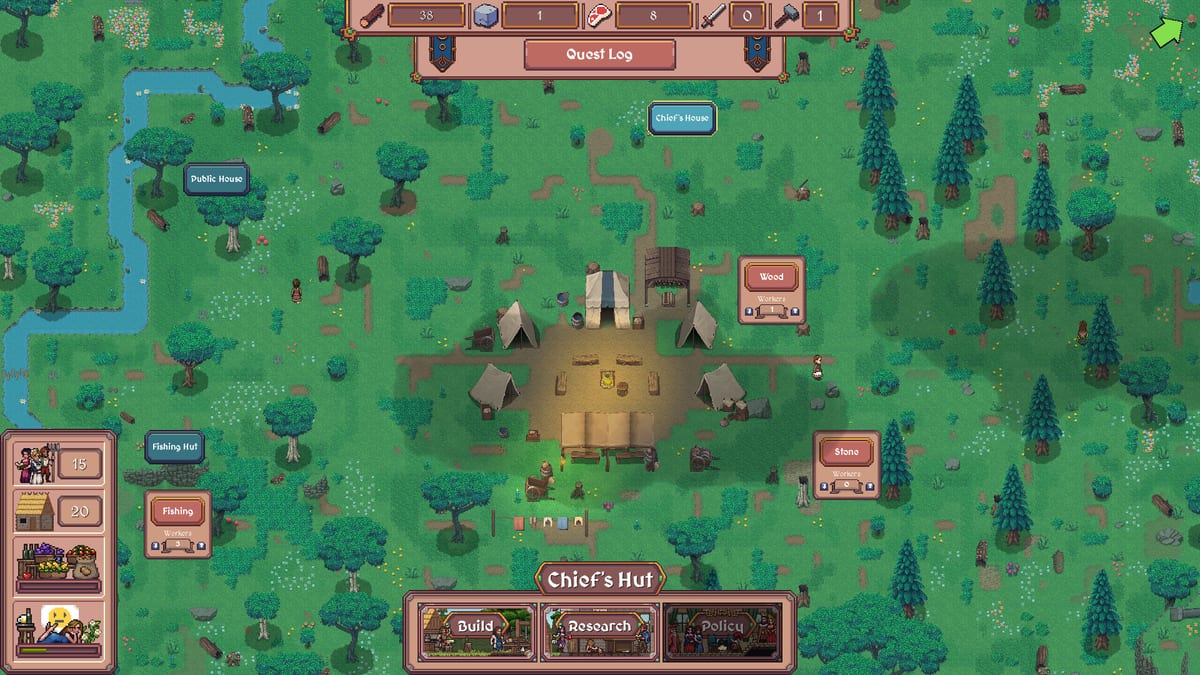
Research is the permanent spine of Hearth and Hamlet. Every meaningful upgrade feeds a tree that unlocks buildings, policies, and eventually magic. This research tier list helps you spend early research capacity wisely during the demo and pre-launch period. The full game is planned for August 19, 2026 on Steam for Windows and Linux—these priorities do not claim the complete tree is already shipping as a finished live meta.
Use this page with buildings tiers, workers tiers, policies, and resources. Research that unlocks a building you cannot staff is a wasted node; research that unlocks a policy you cannot afford is equally empty.
How research feels in an incremental citybuilder
Hearth and Hamlet sells a cozy loop: gather, assign, construct, then permanently unlock the next layer. Research is the “permanent” part. Demo polish passes have rebalanced many research rewards and even added advisor-style quality-of-life nodes gated behind leadership buildings. Expect numbers to move again around launch. Rank roles, not patch-specific percentages.
Tier criteria
- S: Tech that unlocks food, housing, basic gathering, or the next mandatory building gate.
- A: Production multipliers, storage, and civic unlocks that remove mid-demo bottlenecks.
- B: Happiness, defense drafts, and leadership/advisor quality-of-life.
- C: Trade and gold amplifiers once surplus exists.
- D: Magic, alchemy, and prestige branches that assume a stable kingdom.
S tier — unlock the next necessary verb
Food and population technologies
Anything that increases food yield, food building access, or population headroom is S tier. Incremental citybuilders die quietly when growth freezes. If a research node is the only path to the next fishing upgrade or housing tier, take it before cosmetic civic research.
Core gathering unlocks (wood and early tools)
Wood fuels construction. Early research that improves woodcutting, unlocks the woodcutter line, or reduces the click-gather tax on your attention belongs in S. Manual gathering—hold interactions described on controls—is a bridge, not a strategy. Automate wood with tech as soon as the tree allows.
Building gates you already planned to staff
If your buildings tier list says “quarry next,” any research prerequisite for that quarry is temporarily S. Priority is contextual: the best node is the one that unlocks the building your workers are waiting to enter.
A tier — mid demo multipliers
Stone and construction efficiency
Mid progression is a masonry story. Research that opens quarries, reduces stone costs, or speeds construction is A tier once food and wood are no longer daily fires. Skipping stone tech to chase magic is how demo runs stall in a pretty but unfinished town.
Storage and stockpile research
Production without storage becomes spoilage theater. Nodes that raise caps for food, wood, stone, or gold should be A tier whenever you are constantly hitting the ceiling. Confirm symptoms on the resources page: if workers are “working” but stockpiles refuse to grow past a cap, you have a storage research problem, not a laziness problem.
Public / chief building follow-on tech
Leadership and public buildings often unlock advisor research or policy depth. After the buildings exist, their follow-on tech is A tier because it converts a civic landmark into actual management power.
B tier — morale, defense, and comfort
Happiness and worker-rule research
Policies that keep morale high are only as good as the research that enables them. Happiness tech is B early and rises when taxation or crowding penalties appear. Read policies before stacking every tax node the tree offers.
Guard drafts and fortification tech
Defense research—city guard drafts, fortification unlocks, military readiness—belongs in B until raids matter, then promote aggressively. A cozy pixel town that ignores threat timers will still lose workers. Pair with guard houses from the buildings list and staffing advice from workers.
UI-adjacent advisor / quality-of-life nodes
Demo updates have highlighted advisor research and other comfort unlocks behind the leader’s hut or manor. These are B tier: excellent once survival is stable, misleading if you buy them while starving. Comfort research does not feed people.
C tier — gold and trade branches
Taxation enablers
Gold research that improves taxation or counting houses is C until you have a population worth taxing and a happiness buffer to survive the mood hit. Premature tax tech creates paper wealth and real unrest.
Faraway trade unlocks
Trade with distant lands is a headline feature on the Steam page. In priority terms it is C for early/mid demo: powerful when surplus goods exist, hollow when your camp still needs every fish at home. Research trade after local loops are boringly reliable.
D tier — magic and alchemy experiments
Magical academies and spell economy
Magic is the late fantasy pitch—alchemical labs, academies, wild new systems. Rank these D for early priority. They are worth chasing once food, wood, stone, gold, happiness, and basic defense no longer demand your full attention. The full August 19, 2026 release may deepen this branch; practice the mundane trunk in the demo first.
Prestige-only unlocks
If a node only changes cosmetics or niche prestige without helping stockpiles, keep it D until you are playing for vibes. Cozy games deserve vibes—just not before the quarry exists.
Suggested research cadence
- Unlock food and housing gates.
- Unlock wood automation and early building prerequisites.
- Open stone / construction efficiency.
- Raise storage whenever caps clip growth.
- Add happiness and guard tech as pressure appears.
- Layer tax and trade once surplus is real.
- Experiment with magic last in the demo arc.
Rebalancing reality check
Public demo polish has adjusted worker quantities and rebalanced many research rewards. If a formerly great node feels weak after an update, trust the new pacing and re-rank by bottleneck, not by memory. Skim demo patch notes for themes like UI scaling and stability that often ship alongside economy tweaks.
Link your research plan to real construction
Write a tiny checklist before spending a node:
- Which building does this unlock or improve?
- Do I have workers ready?
- Do I have resource headroom?
- Will a policy be required to use it?
If you cannot answer those, park the research point. Incremental games reward intentional queues more than random tree tourism.
Before the planned launch
Wishlist and track timing on the release date page, verify hardware via system requirements, and keep a launch checklist. Research tiers will deserve a post-launch refresh when the full single-player campaign opens on August 19, 2026—until then, let the demo teach you which unlocks actually unstick a camp.
Frequently Asked Questions
Quick answers to the most common questions.
What research should I buy first?
Take nodes that unlock food, housing, and wood automation before happiness luxuries or magic branches.
When should I research guard or fortification tech?
As soon as raids or wildlife start punishing unprotected growth. Before that, keep defense research behind production basics.
Is magic research bad?
No—it is just late priority. Academies and alchemy shine after storage, happiness, and core gathering are stable.
Why did my favorite research node feel weaker after a demo update?
Demo polish has rebalanced rewards and worker pacing. Re-rank by current bottlenecks instead of old habits.
Does this page cover the full release tree?
It covers demo-aware priorities while the game is upcoming for August 19, 2026. Expect deeper branches at full launch.